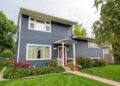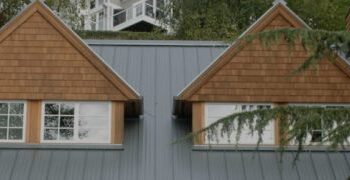

Embark on a journey through the world of PBA Home Siding, where functionality meets aesthetic appeal in perfect harmony. Discover how this versatile material can transform your living space with its unique features and benefits.
Delve deeper into the realm of PBA Home Siding as we explore its various types, installation process, cost considerations, durability, and maintenance requirements.
Overview of PBA Home Siding
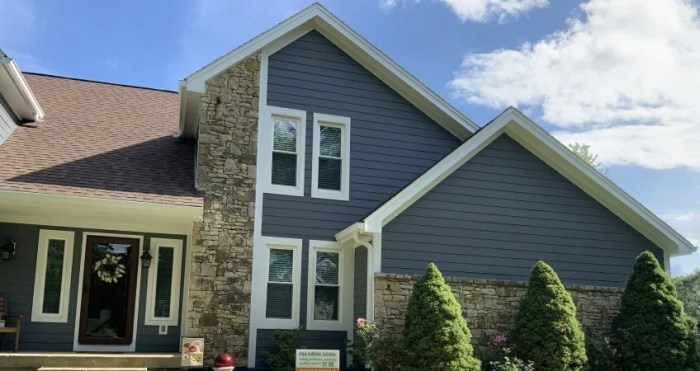
PBA Home Siding specializes in providing high-quality siding solutions for residential properties. Their services include installing, repairing, and replacing siding to enhance the appearance and functionality of homes.
Benefits of Using PBA Home Siding
- Improved Curb Appeal: PBA Home Siding offers a variety of styles and colors to enhance the aesthetic appeal of your home.
- Enhanced Durability: Their siding materials are durable and weather-resistant, providing long-lasting protection for your home.
- Energy Efficiency: PBA Home Siding can help improve the energy efficiency of your home, reducing heating and cooling costs.
Examples of PBA Home Siding Applications
- Installation of Vinyl Siding: PBA Home Siding expertly installs vinyl siding, a popular choice due to its low maintenance and versatility.
- Repair of Wood Siding: PBA Home Siding offers repair services for wood siding, restoring the beauty and integrity of your home's exterior.
- Replacement of Fiber Cement Siding: PBA Home Siding can replace old or damaged fiber cement siding with new, high-quality materials for improved protection.
Types of PBA Home Siding
When it comes to PBA Home Siding, there are several different types to choose from, each with its own unique features and benefits. Let's take a closer look at the options available:
Vinyl Siding
Vinyl siding is a popular choice due to its durability, low maintenance requirements, and affordability. It comes in a wide range of colors and styles, making it versatile for various home designs. Vinyl siding is suitable for residential projects looking for a cost-effective and long-lasting solution.
Fiber Cement Siding
Fiber cement siding is known for its resistance to fire, insects, and rot, making it a durable option for homeowners. It can mimic the look of wood or masonry without the high maintenance requirements. Fiber cement siding is ideal for projects in areas prone to extreme weather conditions.
Wood Siding
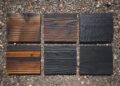
Wood siding offers a natural and timeless look that can enhance the aesthetic appeal of a home. While it requires more maintenance compared to other types, wood siding can be a great choice for projects aiming for a classic and rustic appearance.
It is suitable for homes in traditional or rural settings.
Aluminum Siding
Aluminum siding is lightweight, easy to install, and resistant to corrosion, making it a practical choice for homeowners. It can be painted in various colors to match the home's exterior design. Aluminum siding is recommended for projects looking for a budget-friendly and low-maintenance solution.
Stone Veneer Siding
Stone veneer siding provides a luxurious and sophisticated look to a home's exterior, resembling natural stone. It adds a touch of elegance and charm, enhancing the overall curb appeal. Stone veneer siding is ideal for high-end residential projects seeking a premium finish.
Installation Process
Installing PBA Home Siding involves several key steps to ensure a successful outcome. Proper installation is crucial for the durability and performance of the siding, as well as the overall appearance of your home.
Preparation
Before beginning the installation process, it is important to properly prepare the surface where the siding will be installed. This may involve removing old siding, repairing any damage to the underlying structure, and ensuring the surface is clean and dry.
- Inspect the exterior of your home for any damage or issues that need to be addressed before installing the siding.
- Ensure that the surface is smooth and free of debris to allow for a secure installation.
- Take accurate measurements to determine the amount of siding needed and plan the layout accordingly.
Installation
Once the preparation is complete, the actual installation process can begin. This typically involves cutting the siding to fit, securing it to the exterior of the home, and finishing the edges for a polished look.
- Follow manufacturer guidelines and recommendations for installing the specific type of PBA Home Siding you have selected.
- Use the appropriate tools and techniques to ensure a secure and accurate installation.
- Pay attention to detail and take your time to ensure each piece of siding is properly aligned and secured.
Maintenance Tips
After the PBA Home Siding is installed, it is important to properly maintain it to ensure its longevity and appearance. Regular maintenance can help prevent damage and prolong the life of the siding.
- Clean the siding regularly to remove dirt, debris, and mildew that can accumulate over time.
- Inspect the siding periodically for any signs of damage or wear and make repairs as needed to prevent further issues.
- Consider applying a fresh coat of paint or sealant to protect the siding and keep it looking its best.
Cost and Budgeting
When considering a PBA Home Siding project, it is crucial to have a clear understanding of the costs involved and how to budget effectively to ensure a successful outcome.Factors Influencing Cost:
Material Quality and Type
- The type of material used for PBA Home Siding, such as vinyl, fiber cement, or wood, can significantly impact the overall cost.
- Higher quality materials may come at a higher price but offer better durability and aesthetics in the long run.
Size of the Project
- The size of your home and the amount of siding needed will directly affect the total cost of the project.
- Larger homes will require more materials and labor, leading to higher expenses.
Additional Features
- Adding extra features like insulation, trim work, or decorative elements can increase the overall cost of the project.
- These additional features can enhance the appearance and functionality of your home but come with added expenses.
Cost Comparison:
Comparison of Different Types of PBA Home Siding
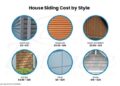
| Siding Type | Average Cost per Square Foot |
|---|---|
| Vinyl | $3
|
| Fiber Cement | $5
|
| Wood | $7
|
Budgeting Tips:
Tips for Budgeting a PBA Home Siding Project
- Get multiple quotes from different contractors to compare prices and services.
- Allocate a contingency fund for unexpected expenses that may arise during the project.
- Consider the long-term benefits and durability of higher quality materials, even if they come at a higher price initially.
- Plan ahead and prioritize the essential aspects of the project to stay within your budget.
Durability and Maintenance
Durability and maintenance are crucial aspects to consider when investing in home siding. PBA Home Siding is known for its exceptional durability and low maintenance requirements, making it a popular choice among homeowners.
Durability of PBA Home Siding
PBA Home Siding is highly durable compared to other siding materials such as wood or vinyl. It is resistant to rot, mold, and pests, ensuring a long lifespan for your home exterior. Additionally, PBA Home Siding can withstand harsh weather conditions, including extreme temperatures, UV exposure, and moisture.
Maintenance Guidelines
To prolong the lifespan of PBA Home Siding, regular maintenance is key. Here are some maintenance guidelines to follow:
- Regularly clean the siding with a mild detergent and water to remove dirt and grime.
- Inspect the siding for any signs of damage, such as cracks or holes, and repair them promptly to prevent further issues.
- Trim any vegetation or trees near the siding to prevent damage from branches or roots.
- Apply a fresh coat of paint or sealant as needed to protect the siding from fading or peeling.
Common Issues and Solutions
While PBA Home Siding is durable, some common issues may still arise over time. Here are a few common problems and how to address them:
- Cracking:If you notice cracks in the siding, fill them with a quality sealant to prevent water infiltration and further damage.
- Color Fading:To restore the color of faded siding, consider repainting or applying a UV-resistant sealant to protect it from sun damage.
- Warped Panels:Warped panels can be caused by moisture or improper installation. Replace the warped panels and ensure proper ventilation to prevent future warping.
Last Point
In conclusion, PBA Home Siding emerges as a top choice for homeowners seeking a durable, cost-effective, and visually appealing solution for their exterior needs. With proper installation and maintenance, this versatile material can enhance the beauty and value of any property.
User Queries
What are the benefits of choosing PBA Home Siding?
Answer: PBA Home Siding offers excellent durability, low maintenance requirements, and a wide range of design options to enhance the curb appeal of any home.
How do I maintain PBA Home Siding after installation?
Answer: Regular cleaning with mild soap and water, along with periodic inspections for damage or wear, can help prolong the lifespan of PBA Home Siding.
What factors can impact the cost of a PBA Home Siding project?
Answer: The size of the project, choice of siding type, additional features like insulation or trim, and labor costs can all influence the overall cost of installing PBA Home Siding.
Is PBA Home Siding suitable for all climates?
Answer: PBA Home Siding is designed to withstand various weather conditions, making it a suitable choice for most climates. However, consulting with a professional installer can ensure the best results for your specific location.