

As landscape architecture projects take center stage, this opening passage beckons readers into a world crafted with good knowledge, ensuring a reading experience that is both absorbing and distinctly original.
In this exploration, we delve into various types of landscape architecture projects, sustainable practices, innovative design elements, and urban landscape challenges and opportunities.
Types of Landscape Architecture Projects
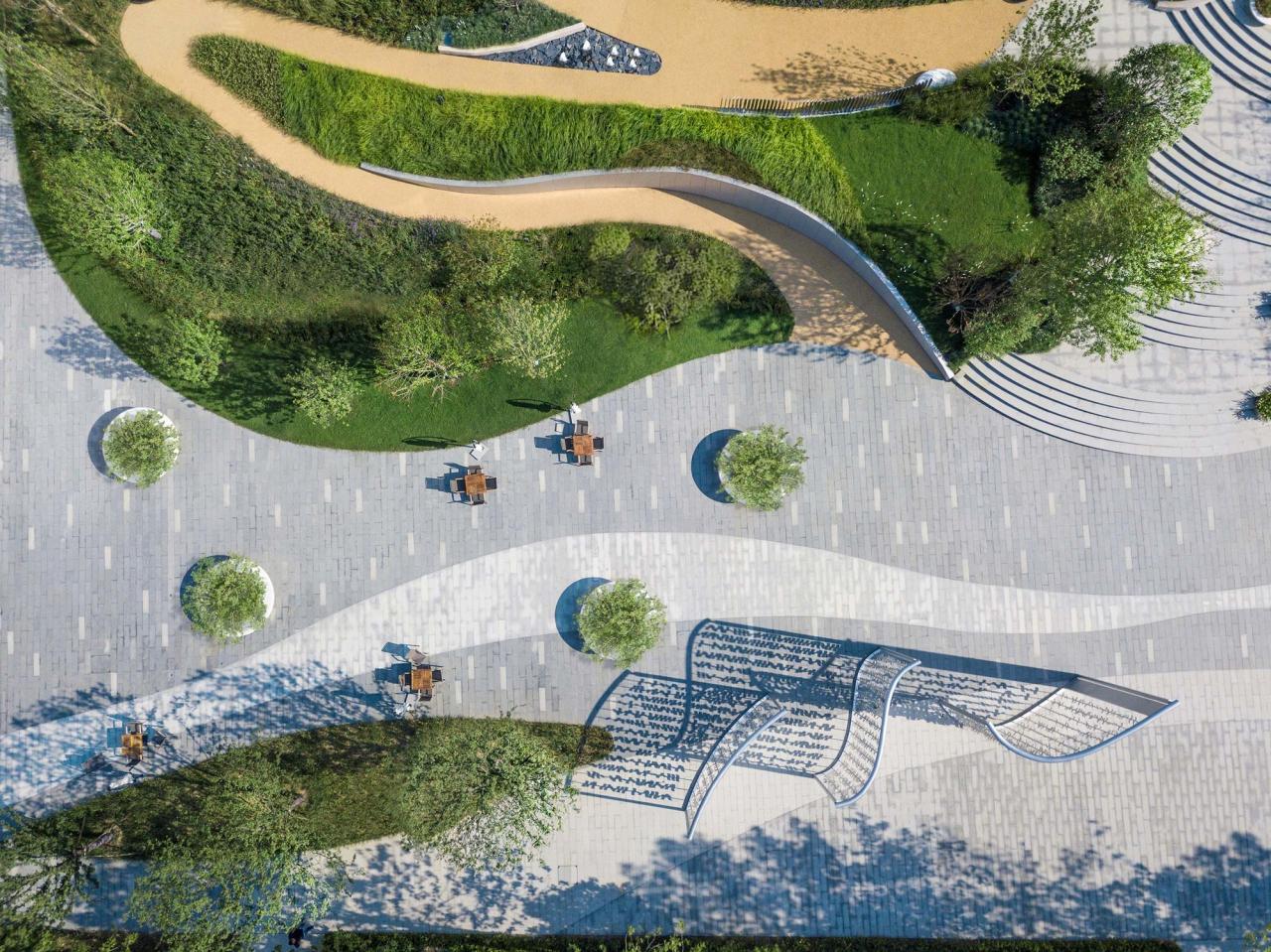
In landscape architecture, there are various types of projects that professionals work on to create beautiful and functional outdoor spaces.
Residential Landscape Projects
Residential landscape projects focus on designing outdoor spaces for private homes. This can include elements such as gardens, patios, outdoor kitchens, swimming pools, and more. The goal is to create a personalized and inviting outdoor environment that enhances the beauty and functionality of a residential property.
Commercial Landscape Projects
Commercial landscape projects involve designing outdoor spaces for businesses, institutions, and public areas. These projects often include elements like parking lots, walkways, green spaces, and outdoor seating areas. The design considerations for commercial projects may focus more on functionality, accessibility, and sustainability to meet the needs of a larger and more diverse group of users.
Importance of Public Park Designs
Public park designs play a crucial role in landscape architecture as they provide valuable green spaces for communities to gather, relax, and connect with nature. These projects focus on creating inclusive and accessible outdoor environments that promote health, well-being, and social interaction.
The design of public parks also considers factors such as sustainability, biodiversity, and cultural significance to enrich the overall experience for park visitors.
Sustainable Practices in Landscape Architecture
Sustainability plays a crucial role in landscape architecture projects as it aims to create designs that have a minimal negative impact on the environment while promoting long-term ecological balance. By incorporating sustainable practices, landscape architects can help preserve natural resources and promote biodiversity.
Eco-Friendly Materials
When designing sustainable landscapes, landscape architects often use eco-friendly materials that have minimal environmental impact. Some examples of these materials include:
- Recycled concrete for pathways and retaining walls
- Permeable pavers to reduce stormwater runoff
- Native plants that require less water and maintenance
- Bio-swales to filter and clean stormwater naturally
Impact on Environment
Sustainable practices in landscape architecture projects have a positive impact on the environment by reducing carbon footprint, conserving water, and promoting biodiversity. By using eco-friendly materials and techniques, landscape architects can contribute to the overall health and resilience of ecosystems, creating spaces that benefit both people and the planet.
Innovative Design Elements
In landscape architecture projects, innovative design elements play a crucial role in creating unique and visually appealing outdoor spaces. These elements not only enhance the aesthetic value of the environment but also contribute to the functionality and sustainability of the design.
Water Features in Landscape Designs
Water features such as ponds, fountains, and waterfalls are commonly incorporated into landscape designs to add a sense of tranquility, movement, and elegance to outdoor spaces. Ponds can serve as focal points, providing a habitat for aquatic plants and wildlife while also reflecting the surrounding scenery.
Fountains, on the other hand, can create a soothing ambiance with the sound of running water and add a touch of sophistication to the landscape. Waterfalls are often used to introduce a sense of drama and movement, enhancing the overall sensory experience of the design.
Integration of Technology in Modern Landscape Projects
Modern landscape projects are increasingly integrating technology to improve efficiency, sustainability, and user experience. One notable technology used in landscape architecture is smart irrigation systems, which utilize sensors and weather data to optimize water usage and reduce wastage. These systems can automatically adjust watering schedules based on environmental conditions, ensuring that plants receive the right amount of water without over-irrigation.
By incorporating technology into landscape designs, designers can create more sustainable and environmentally friendly outdoor spaces that require minimal maintenance while maximizing aesthetic appeal.
Urban Landscape Architecture
Urban landscape architecture projects present a unique set of challenges and opportunities due to the dense and dynamic nature of urban environments. These projects aim to enhance the quality of life in cities by creating functional and aesthetically pleasing outdoor spaces that promote sustainability, community engagement, and well-being.
Challenges and Opportunities
Urban landscape architecture projects face challenges such as limited space, pollution, noise, and high population density. However, these challenges also present opportunities for innovative design solutions that address issues like urban heat islands, stormwater management, and biodiversity conservation. Successful urban landscape designs integrate green infrastructure, sustainable materials, and participatory planning to create vibrant urban spaces that benefit both residents and the environment.
Examples of Successful Designs
One notable example of successful urban landscape design is the High Line in New York City, which transformed an abandoned elevated railway into a public park and greenway. The Gardens by the Bay in Singapore is another exemplary project that combines sustainable design principles with cutting-edge technology to create a lush urban oasis.
These projects demonstrate the power of urban landscape architecture to revitalize urban areas, improve air quality, and enhance community well-being.
Importance of Green Spaces
Green spaces play a crucial role in urban environments by providing a variety of benefits, including improved air quality, reduced urban heat island effect, increased biodiversity, and opportunities for recreation and social interaction. Access to green spaces has been linked to lower levels of stress, increased physical activity, and improved mental health among urban residents.
Incorporating green spaces into urban design not only enhances the aesthetic appeal of cities but also contributes to the overall well-being of communities.
Concluding Remarks
In conclusion, landscape architecture projects offer a blend of creativity, functionality, and sustainability, shaping environments that enhance community well-being and connection with nature. As we continue to innovate and prioritize eco-friendly practices, the future of landscape architecture projects holds endless possibilities for creating stunning and sustainable outdoor spaces.
FAQ Resource
What are some common types of landscape architecture projects?
Common types include residential landscaping, commercial landscape designs, public park designs, and urban landscape projects.
How do sustainable practices impact landscape architecture projects?
Sustainable practices like using eco-friendly materials and smart irrigation systems help minimize environmental impact and promote long-term sustainability in landscape designs.
What are some innovative design elements used in landscape architecture projects?
Unique design elements can include water features like ponds, fountains, and the integration of technology such as smart irrigation systems for efficient water management.
Why are green spaces important in urban landscape designs?
Green spaces in urban areas contribute to community well-being by providing areas for relaxation, recreation, and improving overall quality of life.