
House siding cost per square foot sets the stage for this enthralling narrative, offering readers a glimpse into a story that is rich in detail and brimming with originality. From the impact of different siding materials to the complexities of installation, this topic delves into the various factors that influence the overall cost of house siding.
Factors Affecting House Siding Cost Per Square Foot
When considering the cost of house siding per square foot, there are several key factors that can influence the overall price. These factors include the type of siding material used, the size and layout of the house, as well as the complexity of installation and any additional features that may be included.
Types of Siding Materials
Different types of siding materials have varying costs per square foot. Here are some common options:
- Vinyl Siding: Often one of the more affordable options, with a range of prices based on quality and thickness.
- Fiber Cement Siding: Known for its durability and low maintenance, but typically more expensive than vinyl.
- Wood Siding: Offers a natural and traditional look, but can be costly and requires more maintenance.
- Aluminum Siding: Lightweight and durable, with a moderate price range.
Size and Layout of the House
The size and layout of the house can significantly impact the cost of siding per square foot. Larger homes will naturally require more materials, increasing the overall cost. Additionally, houses with intricate designs or multiple stories may require more labor and time for installation, adding to the total expense.
Installation Complexity and Additional Features
The complexity of the installation process, such as the need for scaffolding or specialized equipment, can raise the cost of house siding per square foot. Moreover, the inclusion of additional features like architectural details, trim work, or insulation can also contribute to a higher price.
It's important to consider all these factors when estimating the total cost of siding for your home.
Comparison of Popular Siding Materials
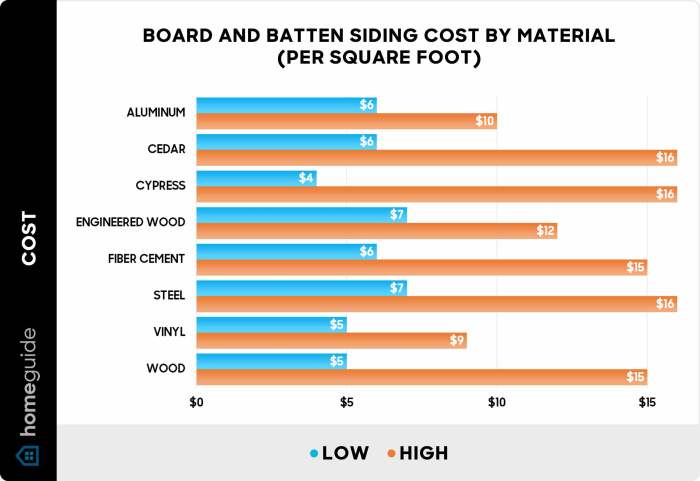
When it comes to choosing the right siding material for your home, there are several options available, each with its own unique features and cost considerations. In this comparison, we will explore the most popular siding materials, their average cost per square foot, durability, maintenance requirements, aesthetic appeal, and customization options.
Vinyl Siding
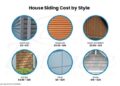
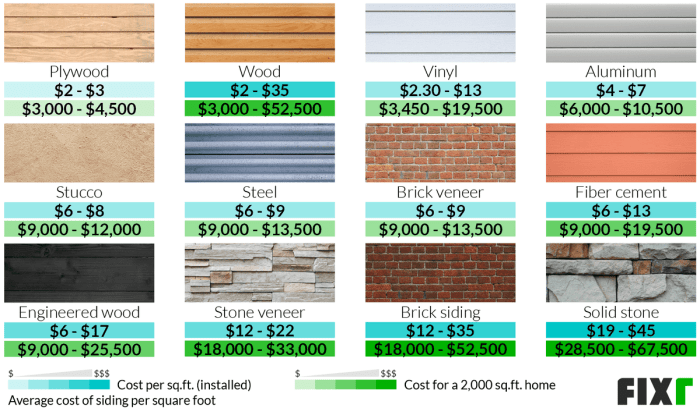
Vinyl siding is one of the most affordable options, with an average cost of $3-$7 per square foot. It is known for its durability, low maintenance requirements, and wide range of color options. Vinyl siding is easy to clean and does not require painting, making it a popular choice for many homeowners.
Fiber Cement Siding
Fiber cement siding has an average cost of $5-$12 per square foot. It is highly durable, resistant to rot and insects, and requires minimal maintenance. Fiber cement siding can mimic the look of wood or stone and is available in a variety of textures and finishes, allowing for customization to suit your home's style.
Wood Siding
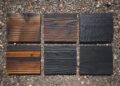
Wood siding can range from $6-$15 per square foot, depending on the type of wood used. While wood siding has a natural beauty and charm, it requires more maintenance compared to other materials. Regular painting or staining is necessary to protect the wood from the elements and prevent rot or decay.
Wood siding can be customized with different stains and finishes to achieve the desired look.
Aluminum Siding
Aluminum siding typically costs $5-$9 per square foot. It is lightweight, durable, and resistant to fire and pests. However, aluminum siding can dent easily and may require repainting over time. Aluminum siding comes in a variety of colors and can be painted to match your home's exterior aesthetic.
Brick Siding
Brick siding is one of the most expensive options, with an average cost of $8-$15 per square foot. Brick is extremely durable, requires little maintenance, and offers excellent insulation properties. Brick siding adds a timeless and elegant look to any home and comes in various colors and patterns for customization.
Cost Breakdown of House Siding Installation
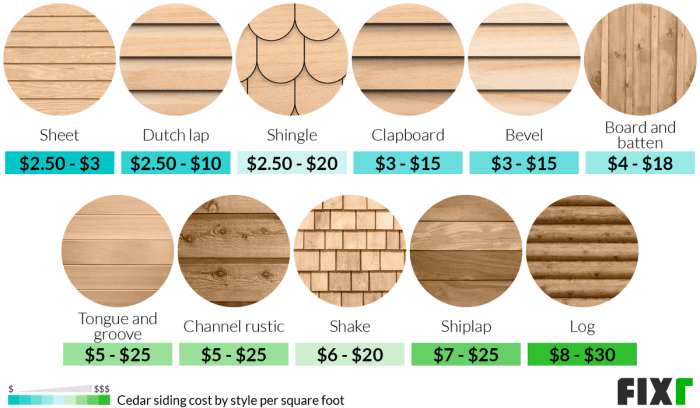
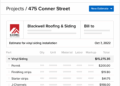
When it comes to installing house siding, understanding the breakdown of costs involved is essential for budgeting and decision-making. From labor expenses to permits and disposal fees, each component plays a crucial role in determining the overall cost of the project.Labor Costs:
Labor Costs
- Professional Installation: Hiring experienced siding contractors typically comes with higher labor costs but ensures quality workmanship and timely completion.
- DIY Installation: Opting for a do-it-yourself approach can lower labor expenses, but it requires time, effort, and skill to achieve satisfactory results.
Permits and Fees:
Permits and Fees
- Permits: Obtaining necessary permits for siding installation may incur additional fees, varying based on local regulations and requirements.
- Disposal Fees: Disposing of old siding materials and debris from the installation site can add to the overall cost, especially for large-scale projects.
Additional Expenses:
Additional Expenses
- Materials: The cost of siding materials, such as vinyl, wood, fiber cement, or metal, directly impacts the total expenditure of the project.
- Equipment Rental: Renting specialized tools or equipment for siding installation can contribute to the overall expenses if not already available.
- Unexpected Repairs: Unforeseen damages or repairs uncovered during the installation process may require additional funds to address effectively.
Tips for Reducing House Siding Cost Per Square Foot
Reducing the cost of house siding per square foot can be achieved through various strategies that focus on negotiation, material efficiency, and selecting cost-effective options.
Negotiating with Contractors for Better Pricing
When hiring contractors for house siding installation, it is essential to negotiate for better pricing to reduce costs. Consider getting multiple quotes from different contractors and compare their rates. You can also ask if there are any discounts available or if they can match a competitor's price.
Maximizing Material Efficiency and Minimizing Waste
To minimize waste during installation, ensure accurate measurements are taken before purchasing materials. Opt for siding materials that come in larger panels to reduce the number of cuts needed. Additionally, consider using leftover materials for smaller areas or future repairs to maximize efficiency.
Selecting Cost-Effective Yet Durable Siding Options
Choosing cost-effective siding options can help reduce overall costs without compromising quality. Consider materials like vinyl or fiber cement siding, which offer durability at a lower price point compared to options like wood or stone. Research different siding materials to find the best balance between cost and longevity for your home.
Conclusive Thoughts
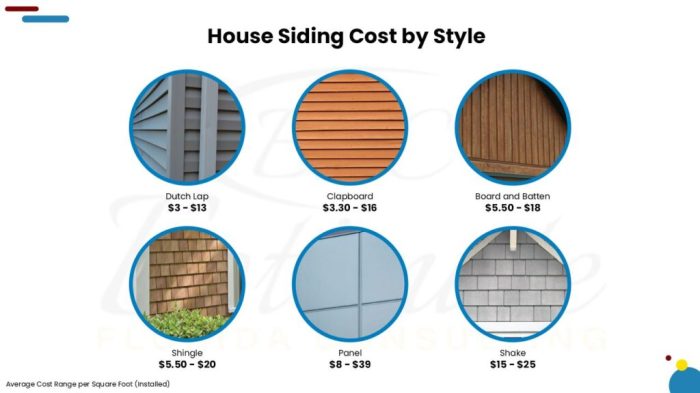
In conclusion, the cost of house siding per square foot is a multifaceted aspect of home improvement that requires careful consideration and planning. By understanding the key factors at play and exploring cost-saving tips, homeowners can make informed decisions when it comes to enhancing their property's exterior.
Questions Often Asked
What factors affect the cost of house siding per square foot?
The type of siding material, the size and layout of the house, and installation complexity all play a significant role in determining the overall cost.
How can homeowners reduce the cost of house siding per square foot?
Homeowners can negotiate with contractors, maximize material efficiency, and select cost-effective yet durable siding options to lower the overall cost.
What are some popular siding materials and their average costs per square foot?
Popular siding materials include vinyl, wood, fiber cement, and metal, with costs varying depending on the material type and quality.