
With Alexander Brodsky as our focal point, this paragraph sets the stage for a fascinating exploration of his life, work, and impact on the field of architecture.
The following paragraphs will delve into his biography, unique style, notable projects, collaborations, artistic approach, critical reception, and more.
Overview of Alexander Brodsky
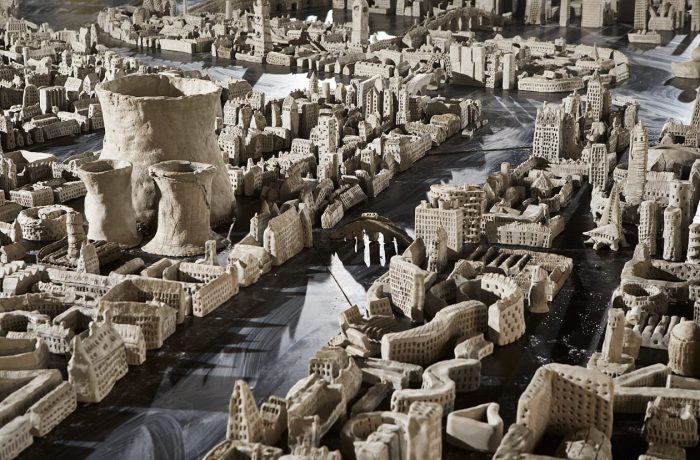
Alexander Brodsky is a prominent Russian architect known for his unique and unconventional approach to design. Born in 1955 in Moscow, Brodsky studied architecture at the Moscow Architectural Institute and later co-founded the experimental architectural group, Paper Architects, in the 1980s.Brodsky's contribution to the field of architecture is characterized by his focus on the intersection of art and architecture, often blurring the lines between the two disciplines.
He is renowned for his thought-provoking installations, which challenge traditional notions of space and form. Brodsky's work often incorporates elements of nostalgia and decay, creating a sense of poetic beauty in his designs.His unique style is influenced by the Soviet architectural heritage, as well as the Russian avant-garde movement.
Brodsky's creations are marked by a sense of whimsy and playfulness, while also addressing deeper themes of memory, history, and identity. Through his architectural practice, Brodsky continues to push boundaries and provoke critical thinking in the field of architecture.
Architectural Works
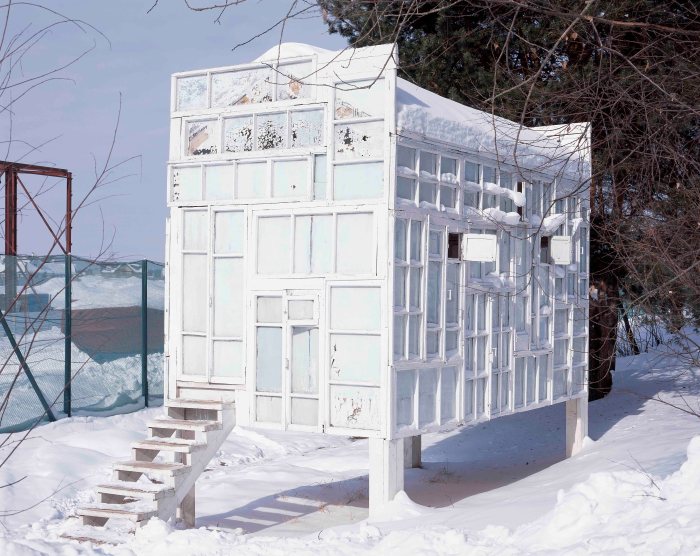
Alexander Brodsky, known for his unique and thought-provoking architectural designs, has created a number of notable projects that showcase his innovative approach to architecture.
Notable Projects
- "House of the Teacher" (1989) - a sculptural installation in Moscow that challenges traditional notions of space and form.
- "Paper Architecture" series - a collection of conceptual architectural drawings that explore the intersection of reality and imagination.
- "Tower of Babel" (1998) - an installation that reflects on the theme of communication and the breakdown of language barriers.
- "Garage Museum of Contemporary Art" (2015) - a museum building in Moscow that combines industrial elements with contemporary design.
Design Elements and Concepts
Alexander Brodsky's works often feature a blend of whimsical and industrial elements, creating a sense of surrealism and nostalgia. He plays with scale, texture, and materiality to evoke emotional responses and challenge conventional architectural norms.
Thematic Motifs
- Memory and nostalgia: Brodsky's works often evoke a sense of nostalgia for the past, using architectural elements to trigger memories and emotions.
- Surrealism and fantasy: His designs blur the lines between reality and imagination, inviting viewers to explore fantastical worlds within architectural spaces.
- Social commentary: Brodsky's installations often comment on societal issues, such as communication breakdowns or the impact of urbanization on communities.
Collaboration and Partnerships
Alexander Brodsky has engaged in several significant collaborations throughout his career, working with other architects and artists to create unique and innovative projects. These partnerships have played a crucial role in shaping his work and expanding the boundaries of architectural design.
Collaborations with Artists
Some of Brodsky's most notable collaborations have been with artists such as Ilya Utkin and Alexander Vinogradov. Together, they have combined their talents to create installations and artworks that blur the lines between architecture and art. These collaborations have allowed Brodsky to explore new concepts and experiment with unconventional materials and forms.
Partnerships with Architects
In addition to working with artists, Brodsky has also collaborated with fellow architects on various projects. These partnerships have provided him with fresh perspectives and insights, influencing his approach to design and construction. By sharing ideas and expertise with other architects, Brodsky has been able to push the boundaries of traditional architecture and create truly innovative spaces.
Joint Projects
One of the most notable joint projects showcasing Brodsky's collaborative efforts is the Paper Architecture movement. Alongside his peers, Brodsky contributed to this movement by creating intricate architectural drawings that challenged conventional design principles. This collaborative effort not only brought attention to the intersection of architecture and art but also inspired a new wave of creative thinking within the architectural community.
Artistic Approach
Alexander Brodsky is known for his unique artistic approach to architecture, blending elements of art and architecture seamlessly in his creations. His work often challenges traditional norms and concepts, pushing boundaries to create thought-provoking and visually striking designs.
Use of Materials
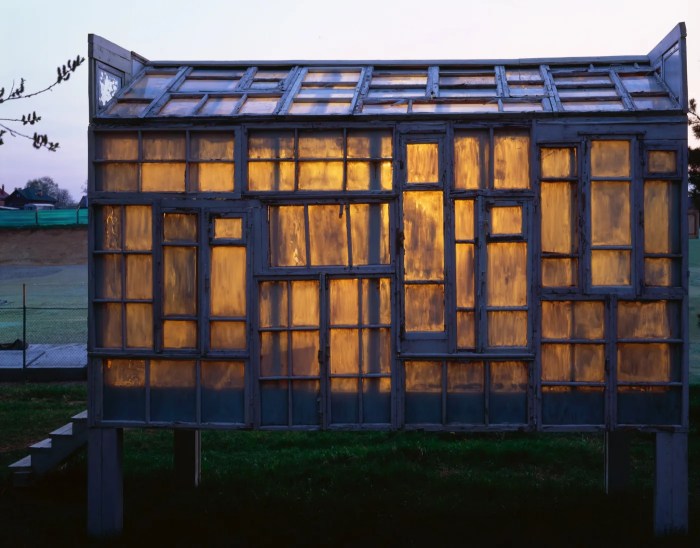
One of the key aspects of Alexander Brodsky's artistic approach is his innovative use of materials. He often incorporates unconventional materials into his designs, such as salvaged wood, metal scraps, and other found objects. This approach adds a layer of texture and depth to his work, creating a raw and organic aesthetic that is both compelling and unconventional.
Textures and Spatial Arrangements
Brodsky's architectural works also showcase a keen attention to textures and spatial arrangements. He plays with light, shadow, and scale to create immersive environments that engage the viewer on multiple sensory levels. The juxtaposition of rough and smooth textures, as well as the manipulation of space and form, contribute to the overall artistic impact of his designs.
Critical Reception
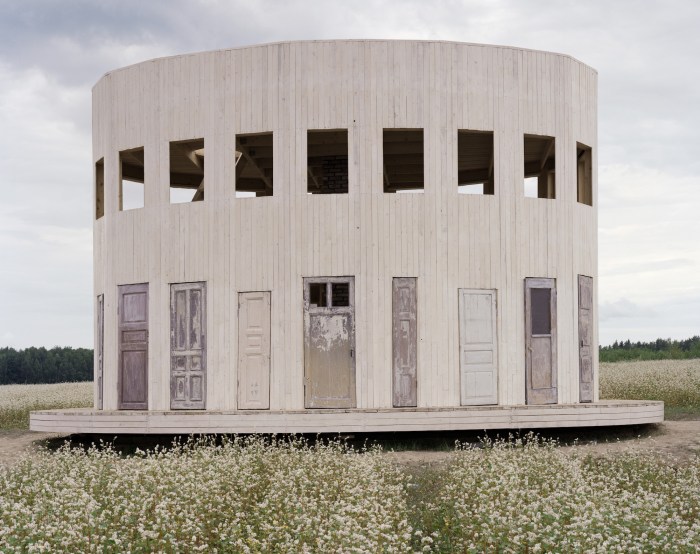
Alexander Brodsky's work has garnered a mix of critical reception, with many praising his unique approach to architecture and design. Critics often commend his ability to blend elements of art and architecture seamlessly, creating thought-provoking structures that challenge traditional norms.
Controversies and Debates
There have been some controversies and debates surrounding Alexander Brodsky's architectural style. Some critics argue that his work can be too abstract or unconventional, making it difficult for the general public to appreciate. However, supporters of Brodsky's work see this as a strength, highlighting his willingness to push boundaries and explore new possibilities in architecture.
Impact on the Architectural Community
Alexander Brodsky's work has had a significant impact on the architectural community, inspiring many young architects to think outside the box and experiment with unconventional materials and forms. His emphasis on storytelling and emotion in architecture has led to a new wave of designers incorporating narrative elements into their work, adding depth and meaning to their creations.
Final Conclusion
In conclusion, Alexander Brodsky's legacy is one that continues to inspire and intrigue architectural enthusiasts worldwide. His innovative blend of art and architecture has left an indelible mark on the industry, sparking conversations and pushing boundaries.
Helpful Answers
What makes Alexander Brodsky's architectural style unique?
Alexander Brodsky's style is characterized by its blend of artistry and architectural principles, often incorporating unconventional materials and textures.
Can you name a significant collaboration Alexander Brodsky has been part of?
One notable collaboration is with Ilya Utkin, where they created imaginative architectural etchings that gained international recognition.
How has Alexander Brodsky's work been received by critics?
Critics have praised Brodsky's unique vision and ability to challenge traditional architectural norms, although some controversies have emerged regarding the practicality of his designs.
What are some recurring themes in Alexander Brodsky's architecture?
Themes of nostalgia, decay, and the juxtaposition of old and new are often present in Brodsky's architectural works, creating a sense of whimsical storytelling.
How does Alexander Brodsky approach the use of materials in his architecture?
Brodsky often utilizes unconventional materials like wood, metal, and found objects, infusing his structures with a sense of history and personality.