
Embracing the essence of superior siding and roofing, this opening passage beckons readers into a world of craftsmanship and durability, where properties are transformed with elegance and resilience.
Delve into the core aspects of superior siding and roofing materials, exploring their benefits and the impact they have on property aesthetics and efficiency.
Benefits of Superior Siding and Roofing
When it comes to choosing siding and roofing materials for your property, opting for superior options can bring a range of benefits that go beyond just aesthetics.
Durability of Materials
Superior siding and roofing materials are known for their exceptional durability, providing long-lasting protection against harsh weather conditions, such as heavy rain, strong winds, and intense sunlight. This durability translates into reduced maintenance costs over time, as these materials are less likely to warp, crack, or fade compared to lower-quality alternatives.
Energy Efficiency Advantages
Investing in superior siding and roofing can also lead to improved energy efficiency for your property. High-quality materials offer better insulation, helping to regulate indoor temperatures and reduce the workload on heating and cooling systems. This can result in lower energy bills and a more comfortable living environment throughout the year.
Enhanced Curb Appeal
Another key benefit of superior siding and roofing is the enhanced curb appeal they provide to your property. These materials come in a variety of styles, colors, and finishes, allowing you to customize the look of your home or building to match your personal preferences and architectural style.
A visually appealing exterior can increase the overall value of your property and make a lasting impression on visitors and passersby.
Types of Superior Siding Materials
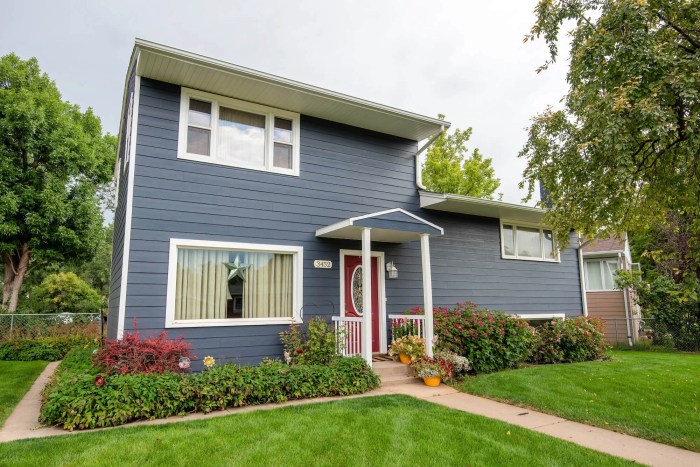
When it comes to superior siding materials, there are several high-quality options available in the market that provide durability, aesthetics, and protection for properties.
Vinyl Siding
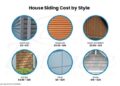
Vinyl siding is a popular choice due to its affordability, low maintenance, and versatility in terms of colors and styles. It is resistant to rot, insects, and moisture, making it a durable option for many properties. Examples of properties that have successfully used vinyl siding include residential homes, commercial buildings, and multi-family units.
Fiber Cement Siding
Fiber cement siding is known for its durability, fire resistance, and ability to mimic the look of wood or stucco. It is a low-maintenance option that can withstand harsh weather conditions and is resistant to rot and pests. Properties such as high-end homes, historic buildings, and coastal houses often use fiber cement siding for its longevity and aesthetic appeal.
Wood Siding
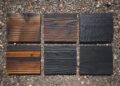
Wood siding offers a classic and natural look to properties, adding warmth and character. While it requires more maintenance compared to other siding materials, it can be stained or painted to achieve different styles. Properties in rural areas, cabins, and traditional homes often opt for wood siding for its charm and authenticity.
Metal Siding
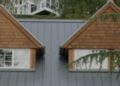
Metal siding, such as steel or aluminum, is a durable and long-lasting option that provides excellent protection against elements like fire, wind, and pests. It is available in various colors and finishes, offering a modern and sleek appearance to properties.
Metal siding is commonly used in industrial buildings, modern homes, and commercial structures for its strength and resilience.
Importance of Proper Roofing Installation
Proper roofing installation is crucial for ensuring the longevity, durability, and effectiveness of your roof. It plays a significant role in protecting your home from various elements, such as rain, snow, wind, and extreme temperatures. Here are some key reasons why proper installation is essential:
Steps Involved in Correctly Installing Superior Roofing
- Preparation of the roof surface: This involves cleaning the roof deck, removing any existing materials, and ensuring a smooth and level surface for the new roofing.
- Installation of underlayment: A waterproof underlayment is laid down to provide an extra layer of protection against water infiltration.
- Proper shingle installation: Each shingle must be placed correctly and securely to prevent leaks and ensure proper drainage.
- Flashing installation: Flashing is used to prevent water from seeping into vulnerable areas, such as valleys, chimneys, and vents.
- Final inspection: A thorough inspection is conducted to check for any errors or issues that need to be addressed before completion.
Potential Consequences of Improper Roofing Installation
- Leakage: Improper installation can lead to water leaks, which can cause damage to the interior of your home, including walls, ceilings, and insulation.
- Poor insulation: Inadequate installation can result in gaps and air leaks, leading to poor insulation and higher energy bills.
- Decreased lifespan: A poorly installed roof is more prone to damage and deterioration, reducing its lifespan and requiring premature replacement.
- Safety hazards: Improper installation can pose safety risks to homeowners and occupants, such as the risk of roof collapse or structural damage.
Maintenance Tips for Superior Siding and Roofing
Proper maintenance is crucial for ensuring the longevity and performance of superior siding and roofing materials. By following these maintenance tips, you can protect your investment and keep your home looking its best.
Maintaining Superior Siding Materials
- Regularly clean your siding with a gentle detergent and water to remove dirt and debris that can cause damage over time.
- Inspect your siding for any signs of damage, such as cracks, warping, or mold growth, and address these issues promptly to prevent further deterioration.
- Trim vegetation near your siding to prevent moisture buildup and potential damage from plant growth.
- Apply a fresh coat of paint or sealant as needed to protect your siding from the elements and maintain its appearance.
- Consider hiring a professional siding contractor for annual inspections and maintenance to ensure your siding is in top condition.
Best Practices for Maintaining Superior Roofing
- Regularly inspect your roof for loose or damaged shingles, flashing, or other components that may compromise its integrity.
- Clean your gutters and downspouts regularly to prevent water buildup and potential leaks that can damage your roof.
- Trim overhanging tree branches to prevent debris from accumulating on your roof and causing damage.
- Consider installing gutter guards to prevent debris buildup and clogging, which can lead to water damage and roof leaks.
- Schedule professional roof inspections and repairs at least once a year to address any issues before they escalate.
Importance of Regular Inspections and Repairs
Regular inspections and repairs are essential for maintaining the structural integrity and performance of your siding and roofing. By addressing minor issues promptly, you can prevent costly repairs and prolong the lifespan of your home's exterior.
Epilogue
In conclusion, the discussion on superior siding and roofing encapsulates the importance of quality materials, proper installation, and regular maintenance to ensure long-lasting beauty and protection for any property. Dive into this world of superior craftsmanship and elevate your property's appeal and durability.
Query Resolution
How can superior siding enhance energy efficiency?
Superior siding materials like insulated vinyl or fiber cement can provide better insulation, reducing heat loss and lowering energy bills.
What are some common maintenance tips for superior roofing?
Regularly clean debris from gutters, inspect for damages after storms, and schedule professional inspections to catch issues early.
Why is proper installation crucial for superior roofing?
Proper installation ensures that the roof functions effectively, prevents leaks, and prolongs the lifespan of the roofing materials.