
Embark on a journey through the nuances of siding estimates, where we delve into the intricacies of siding materials, cost factors, and comparison methods. This guide is designed to equip you with the knowledge needed to navigate the world of siding estimates with confidence.
In this comprehensive guide, we will explore the various types of siding materials, the factors that influence siding estimates, the cost estimation process, and how to effectively compare different estimates.
Types of Siding Materials
When it comes to siding materials for estimates, there are several common options to consider. Each type of material has its own unique characteristics, pros, and cons that can impact the overall cost and durability of the siding. Let's compare and contrast some of the most popular siding materials used in construction projects: vinyl, wood, fiber cement, and metal siding.
Vinyl Siding
Vinyl siding is a popular choice for many homeowners due to its affordability and low maintenance requirements. It comes in a variety of colors and styles, making it versatile for different design preferences. Vinyl siding is also durable and resistant to rot, fading, and insect damage.
It is a great option for projects where budget is a concern and where a quick installation is needed.
Wood Siding
Wood siding offers a natural and timeless look that adds warmth and character to a home. It can be painted or stained to match the aesthetic of the house and can be easily replaced if damaged. However, wood siding requires regular maintenance to prevent rot, mold, and insect infestations.
Wood siding is suitable for projects where a traditional or rustic look is desired and where the homeowner is willing to invest time and effort in maintenance.
Fiber Cement Siding
Fiber cement siding is a durable and low-maintenance option that mimics the look of wood but without the susceptibility to rot and pests. It is fire-resistant, moisture-resistant, and can withstand harsh weather conditions. Fiber cement siding is a good choice for projects where longevity and durability are top priorities, such as in coastal areas or regions with extreme weather.
Metal Siding
Metal siding, such as steel or aluminum, is a strong and long-lasting material that requires minimal maintenance. It is resistant to fire, rot, and pests, making it a great choice for homeowners looking for a durable and low-maintenance option. Metal siding is often used in modern and industrial-style projects where a sleek and contemporary look is desired.Overall, the choice of siding material for an estimate will depend on factors such as budget, maintenance preferences, design style, and the climate of the area where the project is located.
Factors Influencing Siding Estimates

When it comes to estimating the cost of siding for a house, several factors come into play that can significantly impact the overall estimate. Understanding these factors is crucial for homeowners looking to budget for their siding project effectively.
Size of the House
The size of the house is one of the most significant factors that influence siding estimates. Larger homes require more materials and labor to complete the siding installation, resulting in higher costs. The square footage of the exterior walls directly correlates to the amount of siding needed, impacting the overall estimate.
Siding Material Selection
The choice of siding material also plays a crucial role in determining the overall estimate. Different siding materials come at varying price points, with options like vinyl siding being more affordable compared to premium materials like natural wood or fiber cement.
The quality, durability, and aesthetic appeal of the chosen material can significantly impact the cost of the project.
Additional Features and Labor Costs
Aside from the siding material and size of the house, additional features like trim, insulation, and labor costs can influence the overall estimate. Adding decorative trim elements, opting for energy-efficient insulation, or hiring skilled labor for installation can all add to the total cost of the project.
Labor costs, in particular, can vary based on the complexity of the installation and the expertise of the professionals hired.
Estimating Siding Costs
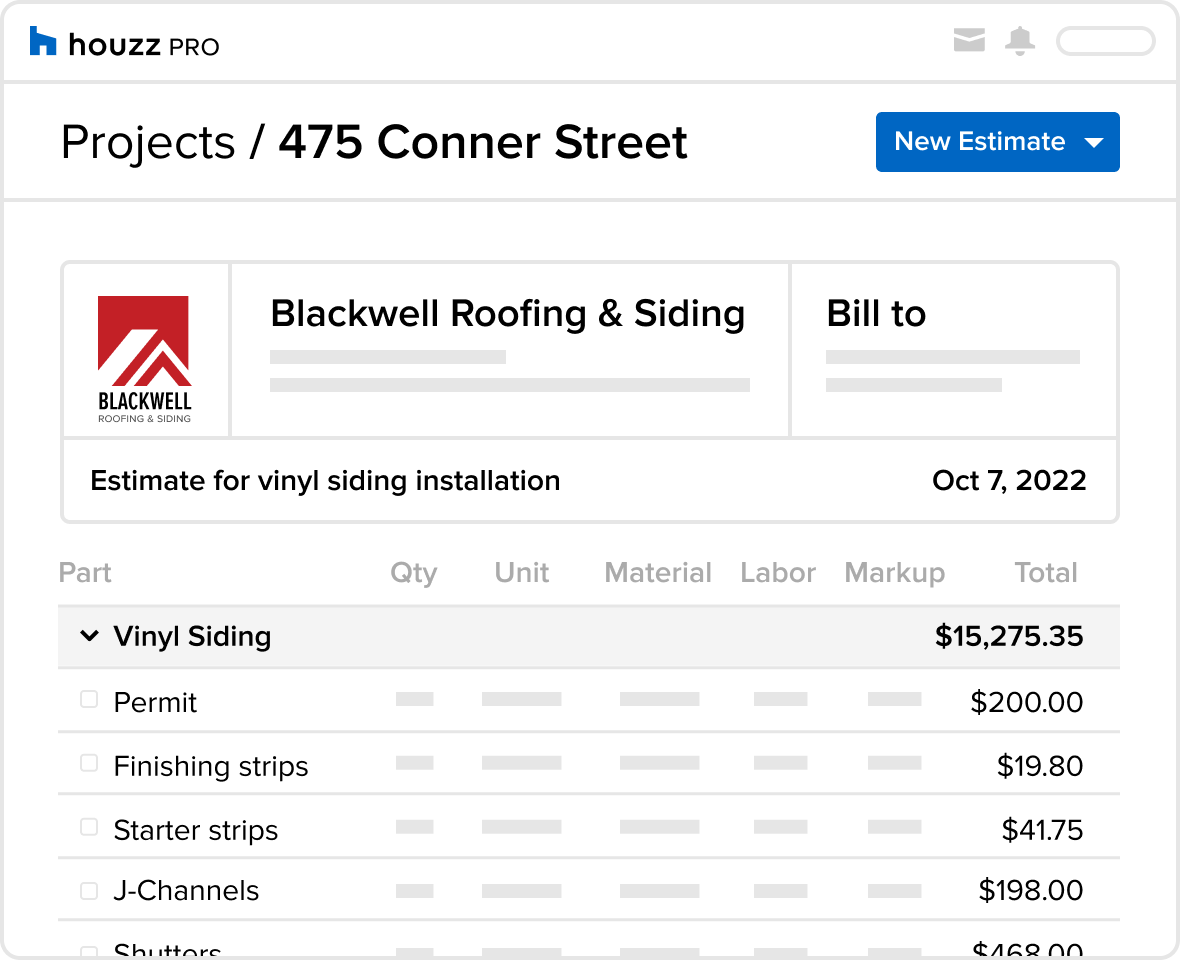
When it comes to estimating siding costs, there are several key components that contractors take into consideration. Understanding these components can help homeowners better grasp the breakdown of their siding estimate and ensure they receive an accurate quote.
Typical Components in a Siding Estimate
- The cost of materials: This includes the type of siding chosen, as well as the quantity needed to cover the entire exterior of the home.
- Labor costs: The amount of time and expertise required to install the siding properly.
- Additional supplies: Any additional materials needed for the installation, such as nails, caulk, or trim pieces.
- Permit fees: Depending on local regulations, there may be permit fees required for a siding installation project.
Breakdown of Cost Calculation Process
Cost = Materials + Labor + Additional Supplies + Permit Fees
Tips for Homeowners to Get Accurate Siding Estimates
- Get multiple quotes: It's essential to get estimates from several contractors to compare prices and services offered.
- Be clear about your expectations: Clearly communicate your needs and preferences to the contractors to ensure accurate estimates.
- Ask about warranties: Inquire about the warranties offered on materials and labor to understand the long-term value of the estimate.
- Consider the reputation: Research the reputation and reviews of the contractors to ensure they are reliable and trustworthy.
Comparing Siding Estimates

When comparing siding estimates, it is essential to follow a structured approach to ensure you are making an informed decision. By considering factors such as quality, warranties, and reputation, you can choose the best option for your home.
Considering Quality, Warranties, and Reputation
- Quality: Look for siding materials that are durable and resistant to harsh weather conditions. Cheaper options may save you money upfront but could cost you more in the long run due to repairs or replacements.
- Warranties: Check the warranty offered by each contractor or manufacturer. A comprehensive warranty can provide you with peace of mind knowing that you are covered in case of any issues.
- Reputation: Research the reputation of the siding contractors and manufacturers. Reading reviews and asking for recommendations can help you gauge their reliability and quality of work.
Analyzing Estimate Details
- Material Costs: Compare the prices of the siding materials included in each estimate. Make sure you are getting a fair price for the quality of materials being used.
- Labor Costs: Consider the labor costs quoted in each estimate. A lower labor cost may indicate inferior workmanship, so be cautious of unusually low prices.
- Additional Services: Look at any additional services or extras included in the estimates, such as cleanup or disposal of old siding. These can add value to the overall cost.
- Timeline: Review the estimated timeline for the siding project. Ensure that the timeframe fits your schedule and that the contractor can meet your deadlines.
Concluding Remarks
As we conclude our discussion on siding estimates, remember that a well-informed decision can lead to a successful siding project. Armed with the knowledge from this guide, you are now prepared to tackle any siding estimate with clarity and precision.
Common Queries
How do I determine the right siding material for my project?
Consider factors like durability, maintenance requirements, and aesthetic appeal to choose the best siding material for your specific needs.
What are some common additional features that can impact siding estimates?
Trim details, insulation quality, and labor costs are key factors that can influence the overall cost of a siding estimate.
Why is it important to analyze the details of each siding estimate?
By carefully reviewing the specifics of each estimate, you can ensure that you are comparing quotes accurately and making an informed decision.