
Step into a world where creativity meets functionality, where colors dance with light, and furniture speaks volumes. In this guide to living room interior design, we explore the art of creating captivating spaces that reflect your style and personality. From furniture selection to lighting design, get ready to discover the secrets to transforming your living room into a place of comfort and beauty.
As we delve deeper into the elements that make up a well-designed living room, you'll uncover the key to unlocking the potential of your space and making it truly your own.
Importance of Interior Design in the Living Room
Interior design plays a crucial role in shaping the look and feel of a living room. It has the power to transform a space from ordinary to extraordinary, creating a welcoming and visually appealing environment for residents and guests alike.A well-designed living room is essential for establishing a comfortable and inviting atmosphere.
It sets the tone for the rest of the house, serving as a central hub for relaxation, entertainment, and social gatherings. A thoughtfully designed living room can enhance the overall quality of life for occupants, promoting a sense of peace and harmony within the home.
Benefits of Investing in Quality Interior Design
Investing in quality interior design for the living room can yield numerous benefits, both in the short and long term. Here are some key advantages:
- Enhanced Aesthetics: A well-designed living room can elevate the aesthetics of the entire home, creating a visually stunning space that reflects the personal style and preferences of the occupants.
- Improved Functionality: Thoughtful interior design can optimize the layout and functionality of the living room, ensuring that it meets the practical needs of the residents while also maximizing comfort and convenience.
- Increased Property Value: A beautifully designed living room can significantly increase the resale value of a property, making it more attractive to potential buyers and enhancing its market appeal.
- Enhanced Comfort: Quality interior design focuses on creating a comfortable and cozy living environment, with carefully selected furniture, lighting, and decor elements that promote relaxation and well-being.
- Personalized Touch: By investing in interior design, homeowners can infuse their living room with a personalized touch that reflects their unique tastes, preferences, and lifestyle, creating a space that truly feels like home.
Elements of a Well-Designed Living Room
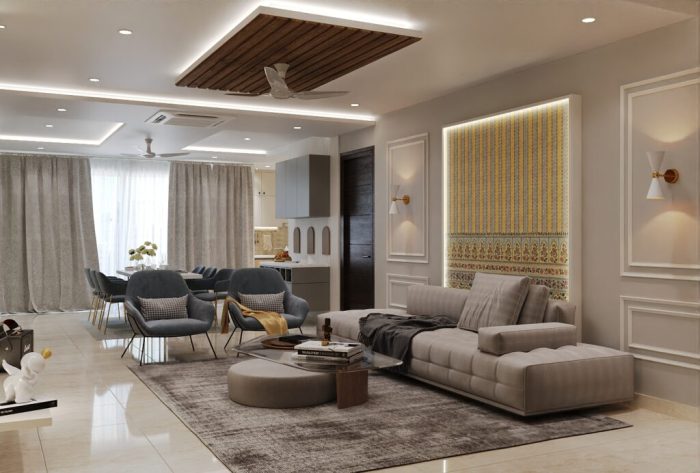
When it comes to creating a well-designed living room, several key elements play a crucial role in shaping the overall aesthetic and functionality of the space. From furniture to lighting, color scheme, and decor, each element contributes to the harmonious design of the living room.
Furniture
The choice of furniture in a living room is essential for both comfort and style. The selection of sofas, chairs, coffee tables, and other pieces not only provides seating and storage solutions but also sets the tone for the room's design.
For example, a sleek modern sofa paired with a vintage coffee table can create a unique and eclectic look.
Lighting
Lighting is another crucial element that can greatly impact the ambiance of a living room. Whether it's natural light streaming through large windows or strategically placed lamps and overhead fixtures, lighting helps to create a warm and inviting atmosphere. Dimmable lights can also offer flexibility in setting the mood for different occasions.
Color Scheme
The color scheme of a living room sets the overall tone and mood of the space. Whether you opt for a neutral palette for a calming effect or bold, vibrant colors for a more energetic vibe, the colors you choose can significantly impact the room's aesthetic.
Mixing and matching colors effectively can add depth and visual interest to the space.
Decor
Decor items such as rugs, curtains, throw pillows, artwork, and plants are the finishing touches that bring personality and character to a living room. These elements can tie the room together, add texture, and create focal points. For instance, a statement piece of artwork can serve as a conversation starter and anchor the design of the room.
Furniture Selection and Arrangement
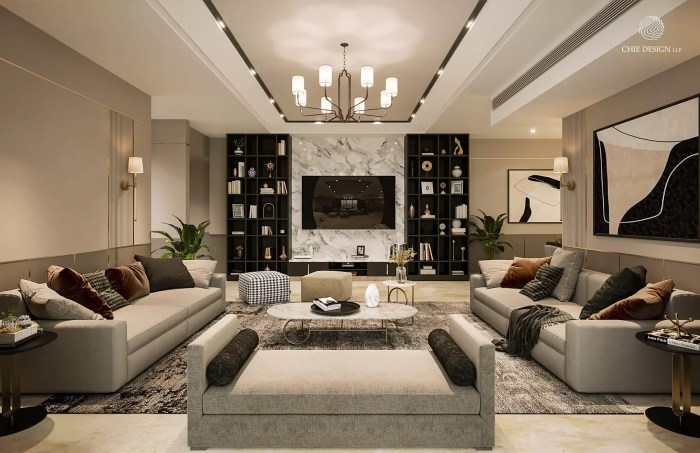
When it comes to designing a living room, furniture selection and arrangement play a crucial role in creating a functional and visually appealing space. Choosing the right furniture based on the size and layout of the living room can make a significant difference in how the room feels and functions.
Choosing the Right Furniture
When selecting furniture for your living room, consider the size of the room and the layout. Opt for pieces that are proportionate to the space, neither too large nor too small. Measure the area to ensure that the furniture you choose fits comfortably without overcrowding the room.
Additionally, think about the style and design of the furniture. Choose pieces that complement the overall aesthetic of the room and reflect your personal taste. Mix and match different styles to create visual interest and a unique look.
Importance of Furniture Placement
The way you arrange your furniture can impact the flow and functionality of the living room. Proper furniture placement can optimize space, create designated areas for different activities, and improve the overall layout of the room.
Consider the focal point of the room, such as a fireplace, TV, or a stunning view. Arrange the furniture around this focal point to create a cohesive and inviting space. Ensure that there is enough space for traffic flow and that the furniture arrangement promotes conversation and interaction.
Tips for Arranging Furniture
- Start by creating a floor plan to visualize the layout before moving furniture.
- Place larger pieces first, such as the sofa and coffee table, to anchor the room.
- Consider the function of each area and arrange furniture accordingly (e.g., seating for conversation, TV viewing, reading nook).
- Leave enough space between furniture pieces for easy movement and accessibility.
- Add accent pieces like rugs, side tables, and lighting to enhance the overall look and feel of the room.
Lighting Design for the Living Room
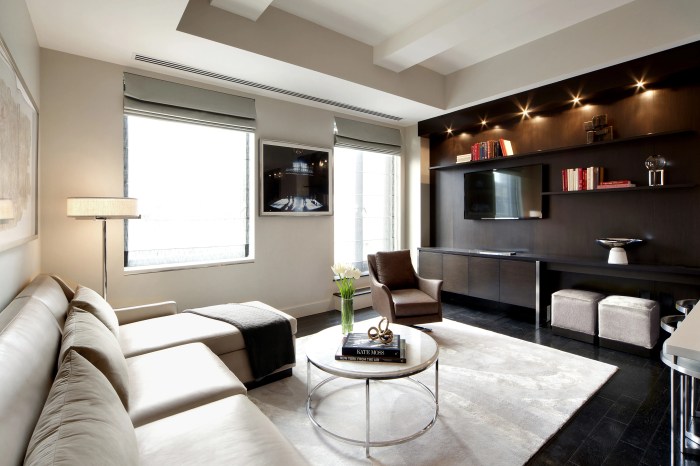
Proper lighting design is essential in creating a well-balanced and inviting atmosphere in the living room. By utilizing different types of lighting and layering them effectively, you can enhance the overall design and functionality of the space.
Types of Lighting and Their Roles
There are three main types of lighting that play different roles in the living room:
- Ambient Lighting: This is the general lighting that illuminates the entire room, providing a base level of brightness.
- Task Lighting: Task lighting is focused on specific areas where activities such as reading, working, or playing games take place.
- Accent Lighting: Accent lighting highlights decorative elements or specific features in the room, adding depth and visual interest.
Layering Lighting for Ambiance
Layering lighting involves combining different types of lighting to create a balanced and inviting atmosphere in the living room:
- Start with ambient lighting to provide overall illumination.
- Add task lighting in areas where focused light is needed, such as near seating areas or workspaces.
- Incorporate accent lighting to highlight artwork, architectural features, or decorative objects.
- Use dimmers to adjust the intensity of light and create different moods throughout the day.
Selecting Fixtures and Bulbs
When selecting fixtures and bulbs for your living room lighting design, consider the following tips:
- Choose fixtures that complement the style of your living room, whether modern, traditional, or eclectic.
- Opt for energy-efficient LED bulbs to save on electricity costs and reduce environmental impact.
- Ensure proper placement of fixtures to avoid glare and shadows, enhancing both aesthetics and functionality.
- Experiment with different light temperatures (warm, cool, daylight) to create the desired ambiance in the room.
Color Schemes and Wall Decor
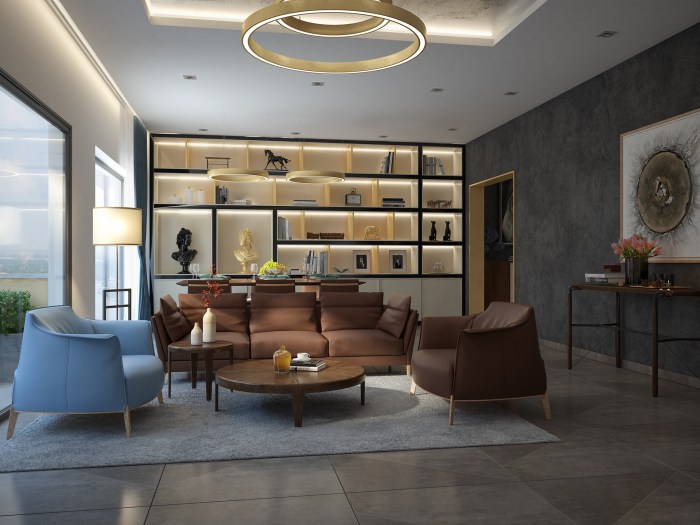
When it comes to transforming a living room, color schemes and wall decor play a crucial role in setting the mood and enhancing the overall design. The right combination of colors and thoughtful wall decor can add personality and style to the space, making it inviting and visually appealing.
Popular Color Schemes for Living Rooms
Choosing the right color scheme can greatly impact the ambiance of your living room. Here are some popular color schemes and their effects on mood:
- Neutral Palette: Shades of white, beige, and gray create a calming and timeless look, perfect for a relaxing atmosphere.
- Monochromatic Scheme: Different shades of the same color offer a sophisticated and cohesive feel, adding depth and interest to the room.
- Complementary Colors: Pairing colors opposite each other on the color wheel, like blue and orange, creates a vibrant and dynamic space.
Role of Wall Decor in Enhancing the Design
Wall decor, such as art, mirrors, and shelves, can elevate the design of your living room. Here's how:
- Artwork: Hanging artwork adds personality and visual interest, serving as a focal point and reflecting your style.
- Mirrors: Mirrors can make a space feel larger and brighter by reflecting light and creating the illusion of depth.
- Shelves: Displaying books, plants, or decorative items on shelves not only adds character but also helps in organizing the space.
Ideas for Incorporating Colors and Decor
Personalizing your living room with colors and decor is a fun way to make the space uniquely yours. Here are some creative ideas to consider:
- Accent Wall: Paint one wall in a bold color or use wallpaper to create a focal point in the room.
- Mix and Match: Experiment with different textures, patterns, and colors to create a dynamic and eclectic look.
- Gallery Wall: Grouping artwork or photos on a gallery wall adds a personal touch and creates a visually appealing display.
Ultimate Conclusion
In conclusion, living room interior design is more than just arranging furniture and choosing colors. It's about creating a space that tells your story, evokes emotions, and welcomes you home every day. By paying attention to the details and weaving together all the elements discussed, you can turn your living room into a sanctuary of style and comfort.
General Inquiries
How does interior design impact the overall look and feel of a living room?
Interior design sets the tone for the space, influencing everything from the mood to the functionality of the room.
Why is furniture selection and arrangement important for a well-designed living room?
The right furniture can enhance the aesthetics and functionality of the room, while proper arrangement optimizes space and flow.
What are the different types of lighting used in the living room?
Ambient, task, and accent lighting play different roles in creating a well-lit and inviting atmosphere in the living room.
How do color schemes and wall decor contribute to the design of a living room?
Color schemes set the mood, while wall decor adds personality and style to the space, making it more inviting and personalized.